

If you own property in Indiana and need access to funds—whether for business expansion, medical expenses, education, or consolidating debt—a loan against property in Indiana could be a practical and affordable solution.
Let’s be honest. Financial needs don’t always come at the “right” time. Maybe you’ve built equity in your home over the years, but your savings aren’t quite enough for a big expense. That’s where leveraging your property can make sense.
In this guide, we’ll walk through everything you need to know about getting a loan against property in Indiana—how it works, who qualifies, the benefits, potential risks, and how to get the best deal.
Table of Contents
What Is a Loan Against Property?
A loan against property (LAP)—also known as a mortgage loan or home equity loan—is a secured loan where you use your residential, commercial, or rental property as collateral.
In simple terms:
You keep living in or using your property, but the lender uses it as security for the loan.
In Indiana, many banks, credit unions, and private lenders offer property-backed loans to homeowners who have built equity in their real estate.
Why Consider a Loan Against Property in Indiana?

Indiana has a relatively affordable housing market compared to many other states. That means many homeowners have built significant equity over time.
Here’s why a loan against property in Indiana might be a good option for you:
1. Lower Interest Rates
Because the loan is secured by property, lenders see it as less risky. That typically means lower interest rates compared to unsecured personal loans or credit cards.
2. Higher Loan Amounts
Depending on your property’s value and your equity, you may be able to borrow a substantial amount—often 60% to 80% of the property’s appraised value.
3. Flexible Usage
Unlike some loans that must be used for specific purposes, a property-backed loan usually gives you freedom. You can use it for:
- Business investment
- Home renovation
- College tuition
- Medical expenses
- Debt consolidation
- Wedding expenses
4. Longer Repayment Terms
Many lenders in Indiana offer repayment periods ranging from 5 to 20 years, which helps keep monthly payments manageable.
How Does a Loan Against Property Work?
Let’s break it down in simple terms.
- Property Evaluation – The lender assesses your property’s market value.
- Loan-to-Value Ratio (LTV) – Based on that value, the lender decides how much you can borrow.
- Credit Check – Your credit score, income, and debt-to-income ratio are evaluated.
- Approval & Disbursement – Once approved, the funds are disbursed as a lump sum or line of credit.
You continue to repay the loan in monthly installments. If repayments are not made, the lender has the right to foreclose on the property.
Types of Property Loans Available in Indiana

When looking for a loan against property in Indiana, you’ll usually encounter these options:
1. Home Equity Loan
This gives you a lump sum amount with fixed interest rates and predictable monthly payments.
Best for: One-time large expenses.
2. Home Equity Line of Credit (HELOC)
This works more like a credit card. You get a line of credit and borrow as needed.
Best for: Ongoing or variable expenses.
3. Cash-Out Refinance
You refinance your existing mortgage and receive extra cash based on your equity.
Best for: Those who want to change mortgage terms and get funds simultaneously.
Eligibility Criteria for a Loan Against Property in Indiana
Every lender has slightly different requirements, but generally, you’ll need:
- Property ownership (clear or significant equity)
- Stable income
- Good credit score (typically 620+ for most lenders)
- Low debt-to-income ratio
- Proper documentation of the property
If your credit score isn’t perfect, don’t panic. Some local Indiana lenders and credit unions are more flexible, especially if you have strong equity.
Documents Required
To apply for a loan against property in Indiana, you’ll typically need:
- Government-issued ID
- Proof of income (W-2s, pay stubs, tax returns)
- Property deed or title
- Property insurance documents
- Mortgage statements (if applicable)
- Credit history details
Having your paperwork ready speeds up approval.
Interest Rates for Loan Against Property in Indiana
Interest rates vary based on:
- Credit score
- Property value
- Loan amount
- Lender type
- Market conditions
As of recent trends, home equity loan rates in Indiana generally range between 6% and 10%, though this can change depending on economic factors.
Pro Tip: Always compare at least 3–5 lenders before making a decision. Even a small difference in interest rate can save you thousands over time.
Benefits of Choosing a Local Indiana Lender
While national banks are an option, don’t overlook:
- Indiana-based credit unions
- Community banks
- Regional lenders
Local institutions often provide:
- More personalized service
- Flexible underwriting
- Competitive interest rates
- Faster processing
Sometimes, talking to someone who understands Indiana’s real estate market makes a big difference.
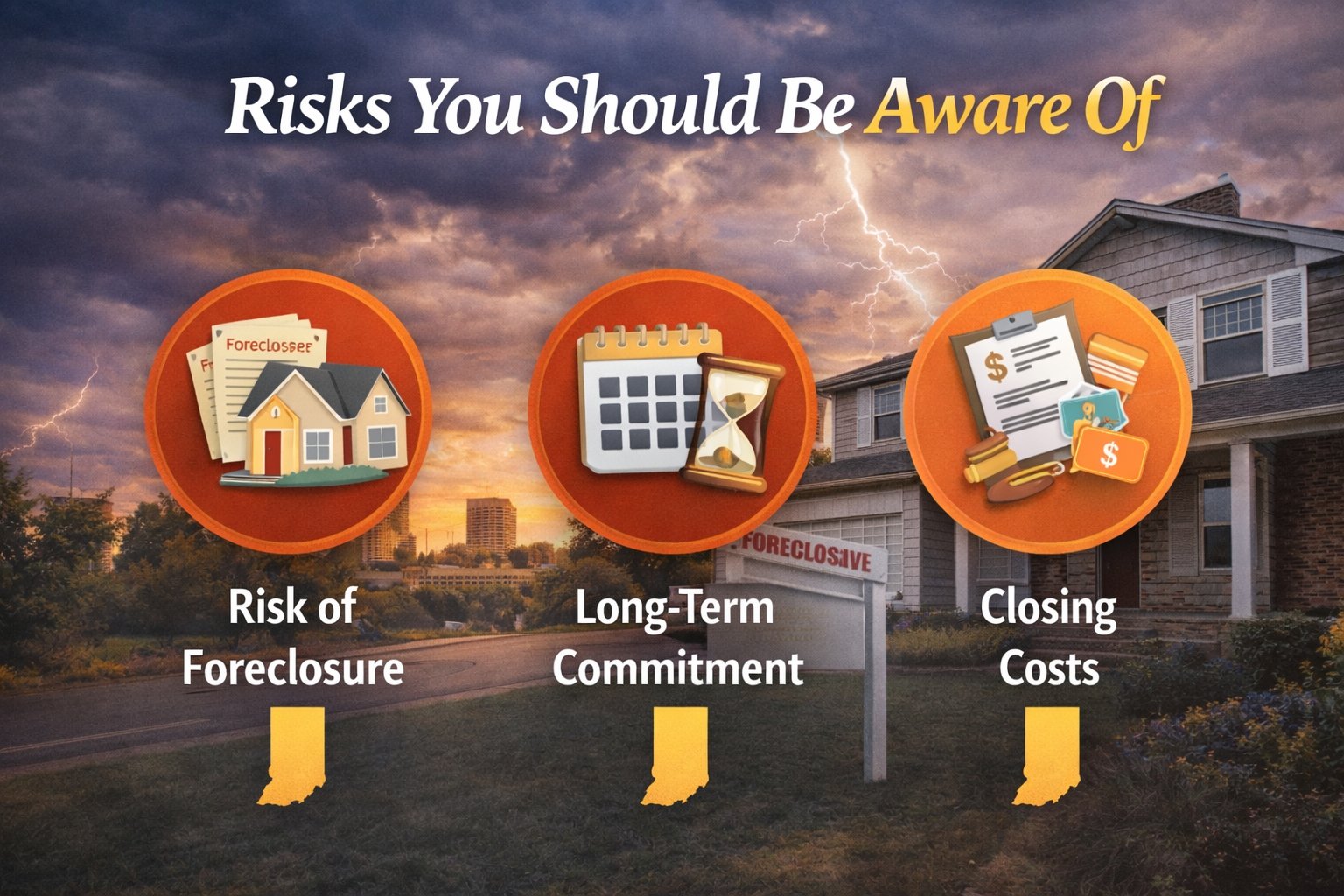
Risks You Should Be Aware Of
Let’s talk honestly for a moment.
A loan against property is powerful—but it’s not risk-free.
1. Risk of Foreclosure
If you fail to repay the loan, your property could be at risk.
2. Long-Term Commitment
These loans can span 10–20 years. Make sure the repayment plan fits your financial future.
3. Closing Costs
There may be:
- Appraisal fees
- Processing fees
- Legal fees
- Title search costs
Always ask for a full cost breakdown before signing.
When Is a Loan Against Property a Good Idea?
A loan against property in Indiana makes sense when:
✔ You need a large sum at lower interest
✔ You have stable income to repay
✔ The funds will improve your financial position (e.g., business growth or consolidating high-interest debt)
✔ You want predictable payments
It may not be ideal if you’re unsure about repayment stability or already struggling financially.
Tips to Get the Best Deal
If you’re considering this option, here are smart ways to improve your chances:
Improve Your Credit Score
Pay down credit card balances and avoid new debt before applying.
Increase Property Value
Small home improvements can boost appraisal value.
Compare APR, Not Just Interest Rate
APR includes fees and gives a more realistic cost of the loan.
Negotiate
Yes—you can negotiate. Especially with local lenders.
Read the Fine Print
Look for:
- Prepayment penalties
- Variable rate clauses
- Balloon payments
Loan Against Property vs Personal Loan in Indiana
You might be wondering: why not just take a personal loan?
Here’s a quick comparison:
| Feature | Loan Against Property | Personal Loan |
|---|---|---|
| Interest Rate | Lower | Higher |
| Loan Amount | Higher | Limited |
| Collateral | Required | Not required |
| Risk | Property at risk | No asset risk |
| Tenure | Longer | Shorter |
If you need a smaller amount quickly and don’t want to risk your property, a personal loan may work. But for larger financing needs, property-backed loans are often more cost-effective.
The Indiana Real Estate Advantage
Indiana’s housing market has shown steady growth over the years. Cities like Indianapolis, Fort Wayne, and Bloomington have seen rising property values.
That means homeowners may have more equity than they realize.
Before applying, consider getting a professional appraisal or market analysis. You might be pleasantly surprised by how much borrowing power you have.
Frequently Asked Questions
How long does approval take?
Typically 2–4 weeks, depending on the lender and documentation.
Can I get a loan against a rental property?
Yes. Many Indiana lenders allow loans against rental or commercial property.
What happens if property value drops?
If you already secured the loan, the terms generally remain unchanged. But falling property values may limit future borrowing.
Is the interest tax-deductible?
In some cases, yes—especially if the funds are used for home improvement. Consult a tax professional for Indiana-specific guidance.
Final Thoughts: Is a Loan Against Property in Indiana Right for You?
If you’ve worked hard to build equity in your property, it makes sense to consider using it strategically.
A loan against property in Indiana can provide access to significant funds at relatively low interest rates. Whether you’re investing in your business, funding your child’s education, or consolidating high-interest debt, it can be a financially smart move—if planned carefully.
The key is simple:
- Borrow responsibly
- Compare lenders
- Understand the risks
- Ensure stable repayment
Take your time. Ask questions. And choose a lender who explains things clearly.
Your property is one of your biggest assets. If used wisely, it can help you move forward financially with confidence.
If you’re thinking about applying, start by checking your credit score and estimating your home equity. From there, speak with a trusted Indiana lender to explore your options.
You’ve already built the equity. Now it’s about using it smartly.